Safe water, without depending on anyone. -Part 1- Storage in barrels and purification with Chlorine Dioxide (CDS).
For a family father, the most sensible water reserve is not the most sophisticated one: it is the one that maintains itself for years without asking anything of him.
Fundamentals and critical safety
Setting up the reserve: HDPE barrels
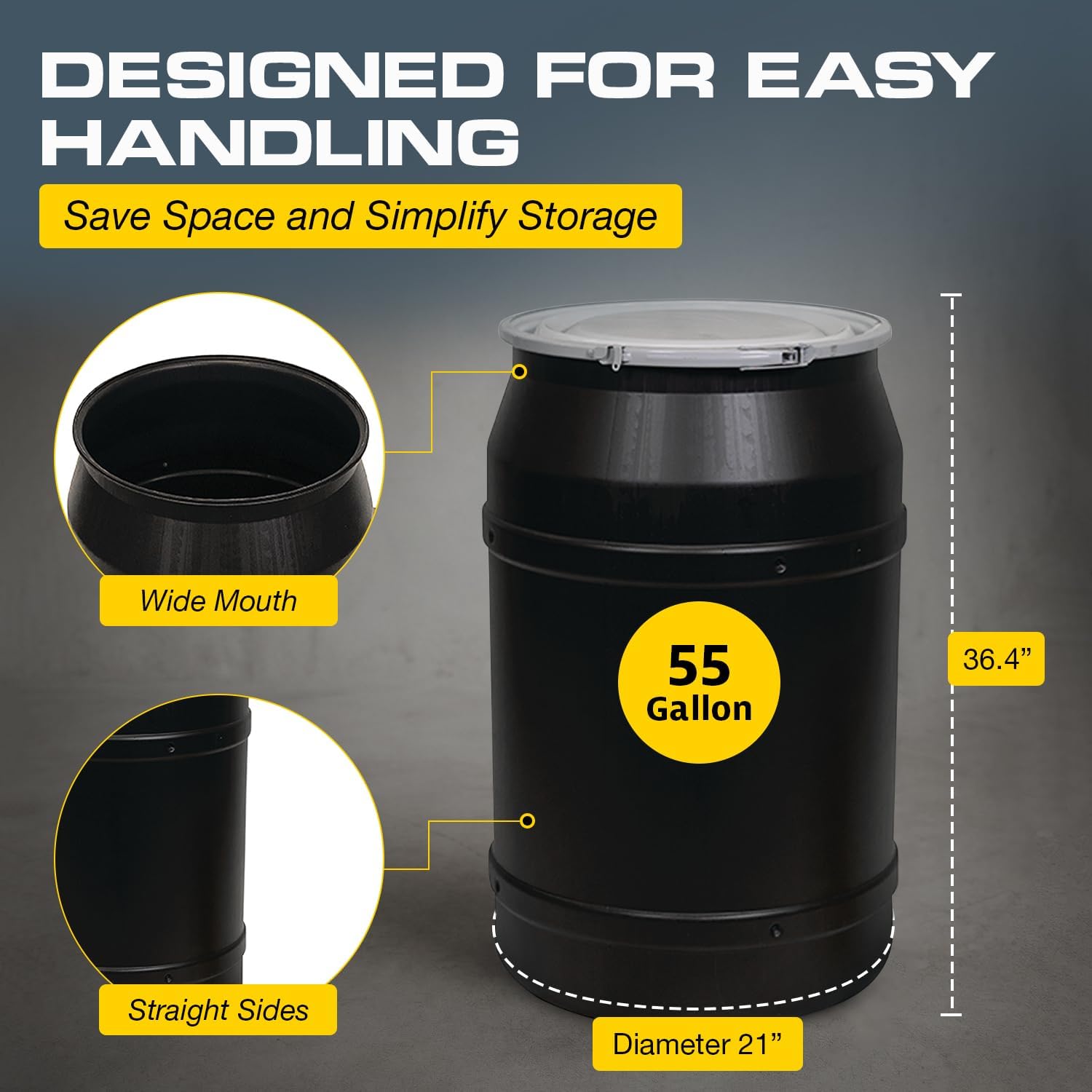
First, calculate how many HDPE plastic barrels you may need based on the size of your family. Dark-colored ones are recommended.
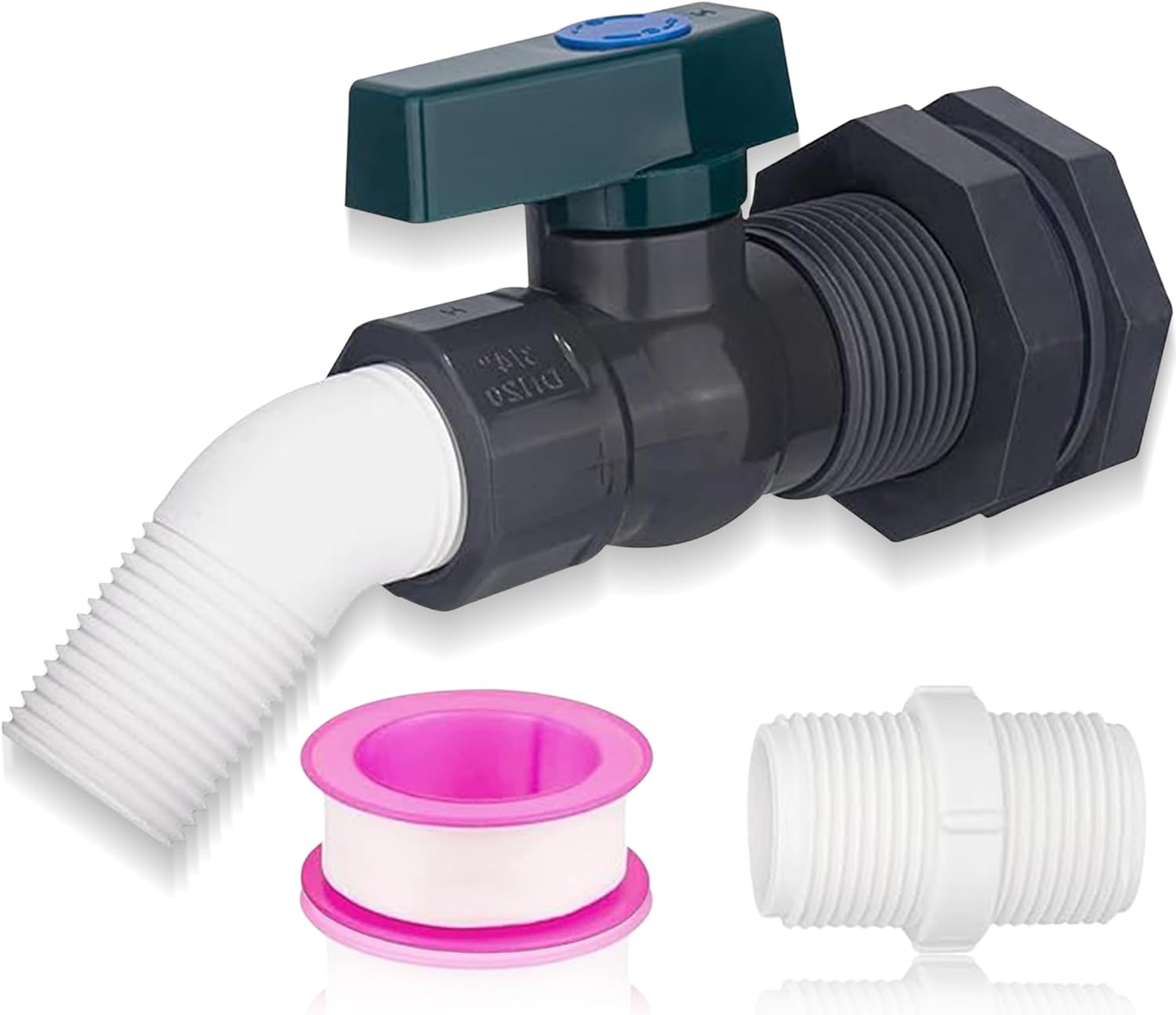
Once you have them, add a plastic shut-off valve —never metal— at the bottom. Place the barrels on an elevated base, so there is space to put containers underneath.
The system is simple
- Wash the inside very well with neutral soap and rinse several times.
- Fill the barrels with tap water.
- Disinfect with a minimal amount of chlorine: 1 teaspoon per barrel, and let it sit for 30 minutes.
- Make sure the barrel has not previously stored chemicals. If it's new, perfect.
- Keep it covered to prevent insects, dust, and algae.
- Do not leave it in direct sunlight for months: heat promotes the growth of microorganisms.
It allows you to serve water without uncovering the barrel or lifting weight, and to empty it completely when it's time to wash and refill it. This way the water stays protected from day one and doesn't depend on you doing anything on the day of the emergency. Purification before consumption will come later, with a gas: Chlorine Dioxide.
1 · What is Chlorine Dioxide (ClO₂)?
Chlorine Dioxide is an amber-yellow gas that, unlike common chlorine, acts as a selective oxidant. Its main function is to eliminate bacteria, viruses, fungi, and parasites through an oxidation process that breaks down the cell wall of acidic-pH pathogens.
Critical differences you should know
| Substance | What it actually is |
|---|---|
| It is not bleach (hypochlorite) |
Bleach generates toxic and carcinogenic byproducts (trihalomethanes) when reacting with organic matter. Chlorine Dioxide is a different molecule, non-carcinogenic, with infinitely superior disinfecting quality. |
| Sodium chlorite (NaClO₂) |
It is the precursor, the essential salt. By itself it does not purify: it requires mixing with an acid activator to release Chlorine Dioxide gas. |
| CDS vs MMS | MMS is the direct mixture of sodium chlorite drops and citric acid, which is why it retains reaction residues. CDS is the pure gas captured in water: neutral pH, no unpleasant taste, and the ideal option for water purification. |
2 · Golden rules for materials
Chlorine Dioxide is a powerful oxidant and reacts immediately with certain materials, which can ruin your water reserve or contaminate it with heavy metals.
Never use metal containers, spoons, lids, or filters —including stainless steel— to handle the concentrate or treated water. The gas oxidizes the metal and absorbs toxic particles from it.
Allowed plastics and materials
| Material | Proper use |
|---|---|
| HDPE | High-density polyethylene: the standard for water barrels and reagent bottles. |
| PP | Polypropylene: ideal for lids and droppers. |
| PVC | Allowed for water conduction pipes. |
| Glass | Only for storing the pure concentrate (CDS) in the refrigerator; preferably amber. |
3 · The "golden rule" of purification
To ensure that any water source —tap, well, or storage— is fit for human consumption, this standard safety dose is established:
per 1 liter of water. 5-gallon jug? = 19ml Standard purification ratio.
This ratio ensures the elimination of pathogens without altering the pH of drinking water. It is recommended to use a plastic syringe, without a needle, to measure the milliliters precisely.
4 · Safety and first aid
Although Chlorine Dioxide is safe at recommended doses, handling concentrated reagents requires caution.
- Safe storage: always keep reagents and CDS out of children's reach and properly labeled.
- Emergency neutralization: in case of accidental ingestion of a large amount of concentrate (chlorite or activator), immediately drink a glass of water with a teaspoon of baking soda.
- Inhalation: avoid directly breathing the gas coming out of the reactor jar during production. Always carry out transfers outdoors or in very ventilated areas.
Never use vitamin C (ascorbic acid) to neutralize a spill or accidental ingestion: the acid reacts with the chlorite, releasing gas violently and unexpectedly.
Supply management: powdered inputs
For a family survival system, acquiring reagents in powder form is the most efficient strategy. Powder takes up much less storage space and has a significantly longer shelf life than pre-made liquid solutions, guaranteeing autonomy for years.
1 · Acquiring raw materials
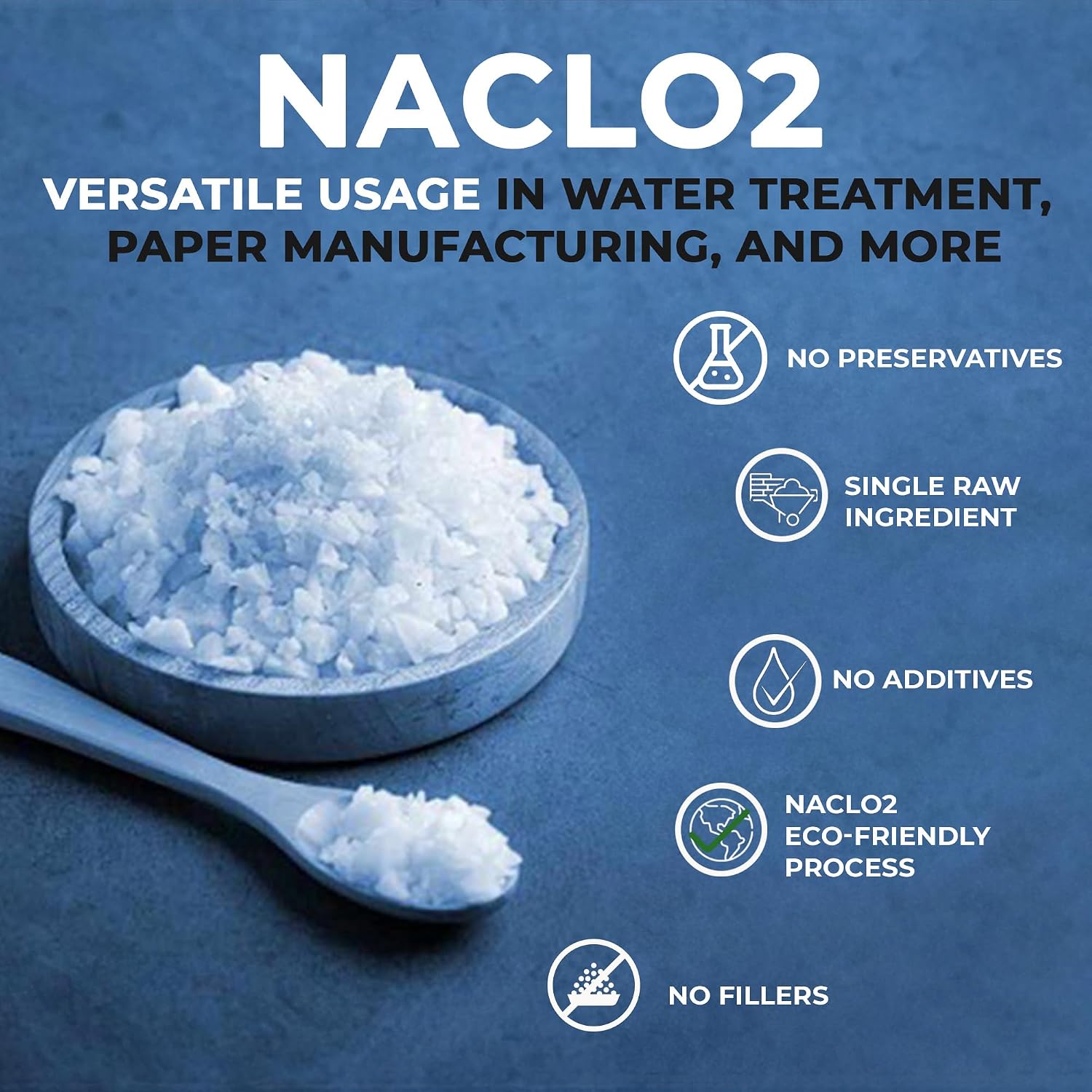
To make your purifier (CDS) you need two basic inputs, easy to find on commercial platforms:
- 80% sodium chlorite (NaClO₂): it is usually sold at this purity; the remaining 20% is common salt, which gives it stability.
- Citric acid powder: used to create the activator. Although hydrochloric acid is preferred for direct consumption, citric acid is excellent and safe for making CDS, since this acid never comes into contact with the water your family will drink.
2 · Converting powder to liquid
To obtain the standard concentrations required by the protocols, follow these exact proportions using a kitchen scale.
A · Sodium chlorite at 25% · precursor
Base solution. To prepare 1 kilogram of liquid solution:
- 700 g of distilled water
- 300 g of sodium chlorite powder (80%)
Pour the powder into the water and stir with a plastic or glass utensil until fully dissolved.

B · Citric acid at 50% · activator
This solution is responsible for releasing the gas from the chlorite. The ratio is 1:1 by weight:
- 500 g of distilled water
- 500 g of citric acid powder
Dissolve the powder in the water. You will notice the container cools down during the process (endothermic reaction): this is normal.
3 · Storage and safety of reserves
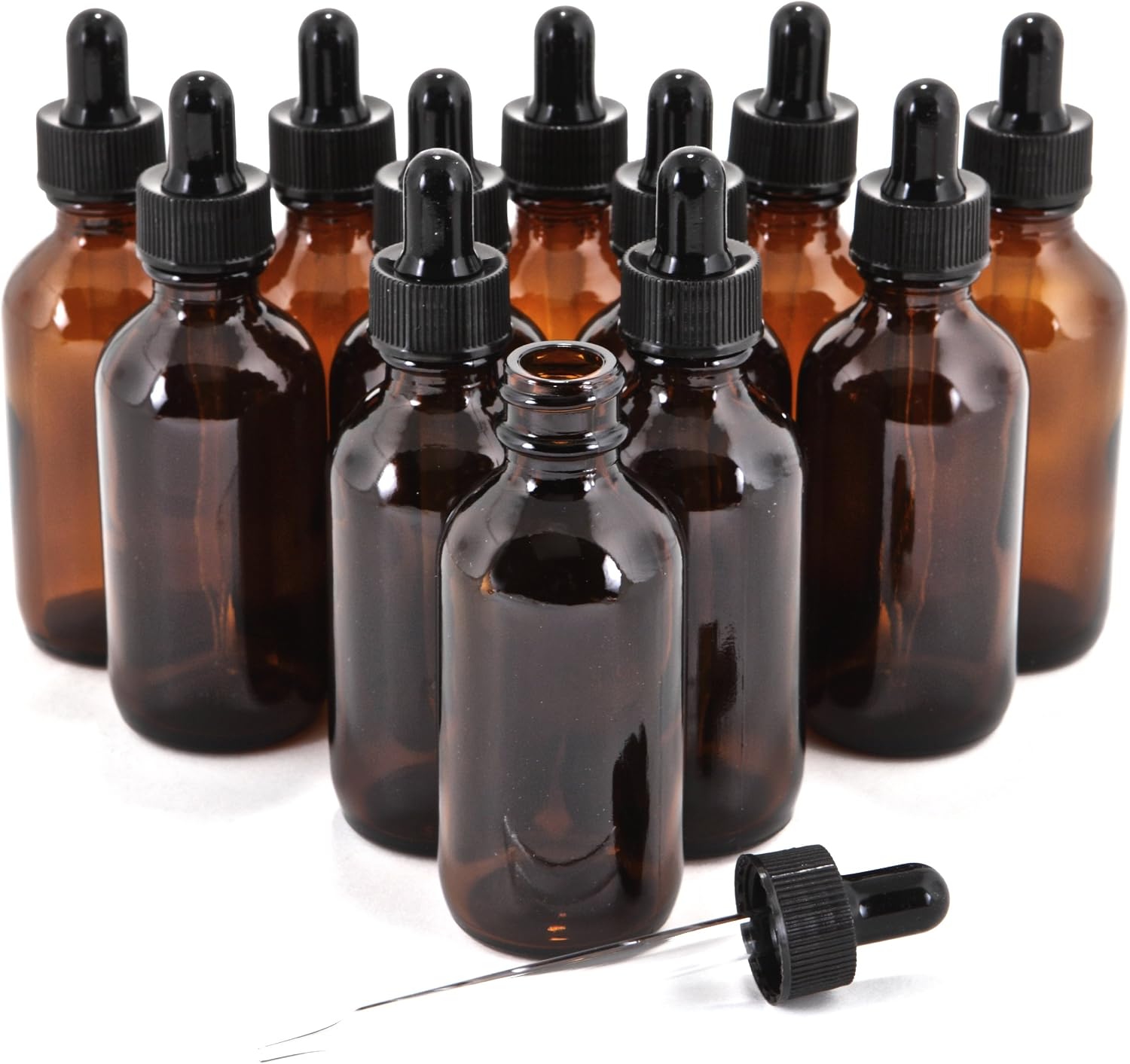
Once you have transformed the powders into liquids, proper handling of these concentrated bottles is vital for family safety:
- Correct containers: transfer the resulting liquids to amber glass bottles. This protects the substances from light, which could degrade their potency.
- Critical labeling: clearly mark each bottle with its name —"Sodium Chlorite 25%" and "Citric Acid Activator 50%"—, the concentration, and the preparation date.
- Safety zone: store them in a cool, dry place and strictly locked or out of children's reach.
Accidental ingestion of these concentrated solutions is dangerous and requires immediate neutralization with baking soda.
Making pure CDS · airtight method
Unlike MMS (direct mixture of drops), CDS is obtained by capturing only the ClO₂ gas in water. The main advantage for a family is that the residues of the initial reaction —salts and acids— remain in the inner cup and never come into contact with the water that will be consumed, eliminating the strong taste and digestive discomfort.
1 · The reactor: materials and setup
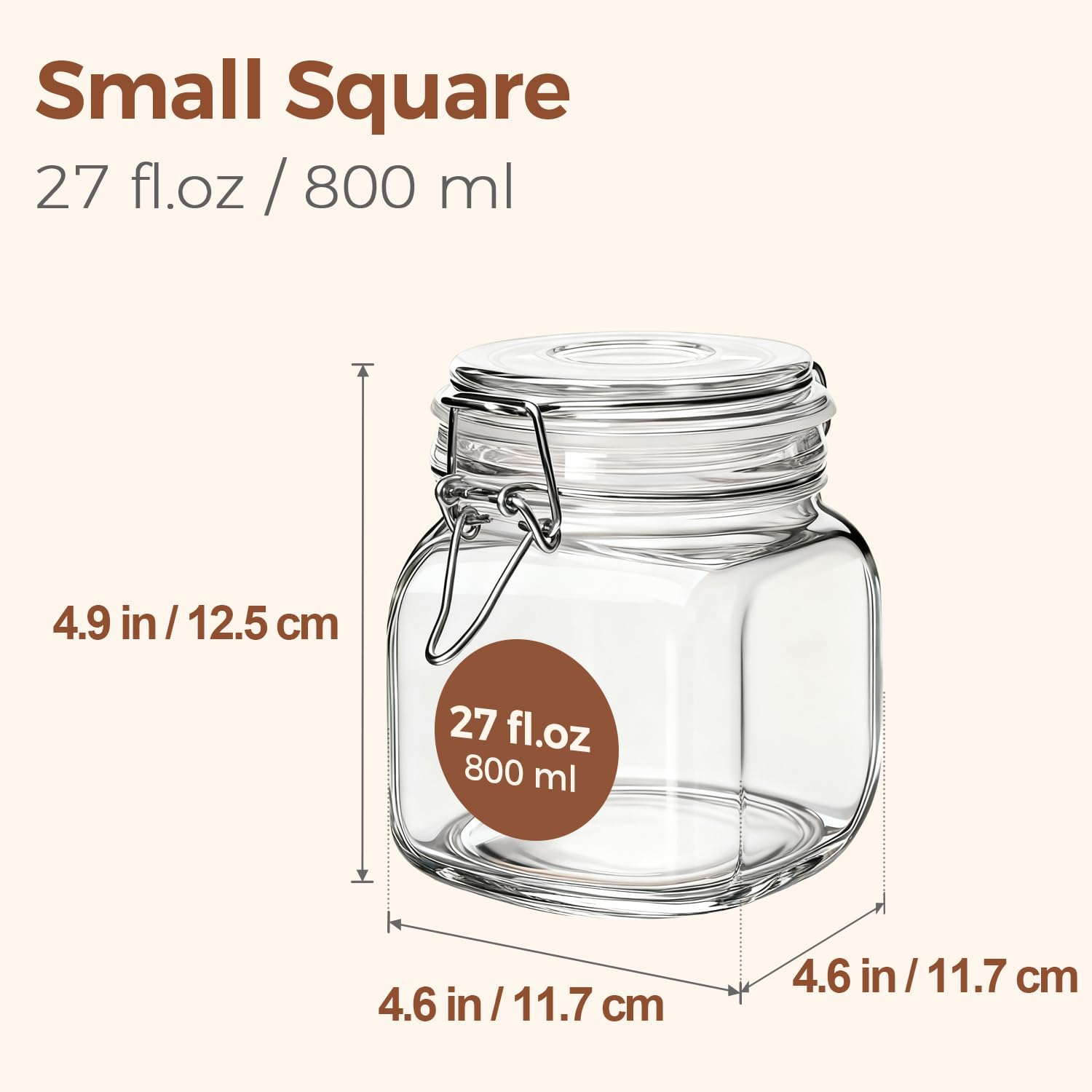
To make 250 ml of concentrate at 3000 ppm you will need:
- Large glass jar: with an airtight lid, preserve-type with rubber seal. If the lid is metal, it must be wrapped in plastic film to prevent corrosion and gas contamination.
- Inner cup: a small "shot glass" type cup that fits dry inside the large jar.
- Water: 250 ml of distilled, filtered, or mineral water, cold.
- Reagents: your liquid solutions of 25% sodium chlorite and activator (50% citric acid or 4% HCl).
2 · Manufacturing protocol · 24-hour cycle
Optimal water saturation is achieved in two 12-hour stages, to ensure the gas is captured efficiently.
Initial charge
- Pour the 250 ml of cold water into the large jar.
- Place the small dry cup inside the jar, being careful that water does not get into it.
- Pour 5 ml of sodium chlorite and 5 ml of activator into the small cup.
- Close the jar tightly immediately and store it in a dark place, at room temperature, for 12 hours.
Second charge
- After the first 12 hours, place the unopened jar in the refrigerator for a moment, to cool the liquid and prevent gas from escaping when opened.
- In a ventilated area or outdoors, briefly open the jar, remove the small cup, and discard its residual content.
- Place a fresh mixture —5 ml chlorite + 5 ml activator— in the inner cup.
- Close the jar and wait another 12 hours in the dark.
3 · Quality control and verification
Once the cycle is finished, the process is considered successful if these criteria are met:
- Visual verification: the water should have acquired an intense yellow color, identical to sunflower oil.
- Test strips: you can use Chlorine Dioxide strips (La Motte 3002 type) to confirm the concentration. To measure 3000 ppm with lower-range strips, dilute 1 part of your CDS in 9 parts water; the strip should read 300 ppm.
4 · Critical storage
CDS is gas dissolved in water and its stability is extremely fragile to heat and light.
Mandatory refrigeration. It must always be kept below 11 °C. Above that temperature, the gas evaporates when the bottle is opened and the solution quickly loses its strength.
UV protection. Always use amber glass bottles: sunlight breaks down the chlorine dioxide molecule.
Safety and labeling. Clearly mark the bottle as "CDS 3000 ppm" and keep it out of children's reach.