
🛡️ The Ultimate Guide to Protect Your Home from Intruders
How to turn your house into a difficult, dangerous, and deeply inconvenient territory for any attacker.
There are moments in life when truth hits without asking permission:
Your family’s safety is not delegated. It is learned, trained, and mastered.
What you’re about to read is not “another security article”.
It is a clear, direct, actionable guide for any family to organize their defense without falling into movie fantasies or paranoia.
Everything described here is based on professional analysis, real protocols, criminal psychology, and real experiences in preventing home intrusions.
If your family ever faces an intrusion, these pages may mark the difference between chaos and survival.
You’ll see that with simple changes — in your habits, in the organization of the home, and in some key infrastructure points — you can multiply your home’s security without turning it into a hostile fortress, but an intelligent and prepared household.
But first…
Let’s understand the battlefield.
1 🔥 The home is sacred territory — that’s why it must be defended intelligently
An intruder does not want to fight. They want silence, speed, and vulnerability.
Your mission: break that triangle into a thousand pieces.
Your home must become:
- a noisy place when someone tries to enter
- visible from the street at access points
- unpredictable in routines and schedules
- reinforced in doors, windows, and locks
- and mentally prepared to act without panic
The statistics are overwhelming:
Most intruders flee in less than 15 seconds if they perceive a real risk of being seen, heard, or trapped.
The goal of this guide is to turn your home into that real risk.
2 👁️🗨️ What an intruder looks for… and what they fear the most
| ❌ What they look for | ✅ What they fear |
|---|---|
| Total darkness around the perimeter | Sudden noise and unexpected alarms |
| Easy escape routes without obstacles | Reinforced doors and frames that delay entry |
| Weak or old locks on doors | Access points visible from the street or neighbors |
| Windows without locks or fragile glass | Lights activated by movement |
| Families that do not train what to do | Alert and coordinated neighbors |
| Homes that always seem empty | Alert dogs (big or small) |
| Yards full of objects to hide behind | Clear terrain, without “perfect” shadow zones |
| Distracted and confident residents | Fast and coordinated family reaction |
The average intruder is not a strategist: they are an opportunist.
If you reduce obvious opportunities, you drastically reduce the probability of your home being chosen as a target.
3 🧱 The Family Fortress: daily reinforcement that changes everything
Here begins the actionable part.
What follows are elite habits for homes that take security seriously, while still being normal homes.
3.1. Lock as if it matters — because it does
Every door, every window, every secondary exit.
Not just closing: securing.
In a huge number of burglaries, the entry was not really “forced”: it was taken advantage of because someone left a door or window poorly secured.
Key elements to reinforce access points:
- Additional security deadbolts on the main door
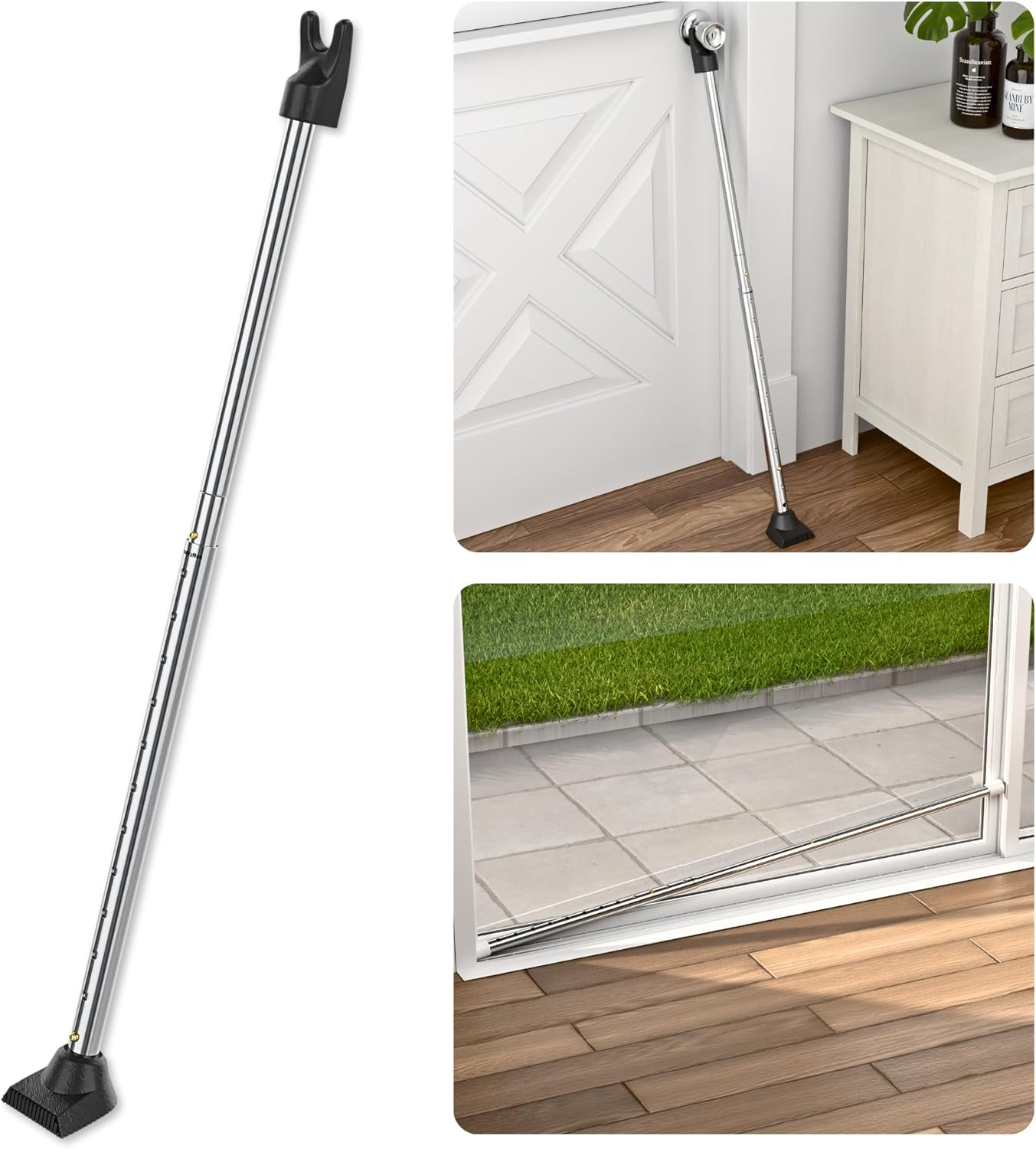
- Anti-lever metal latches on secondary doors
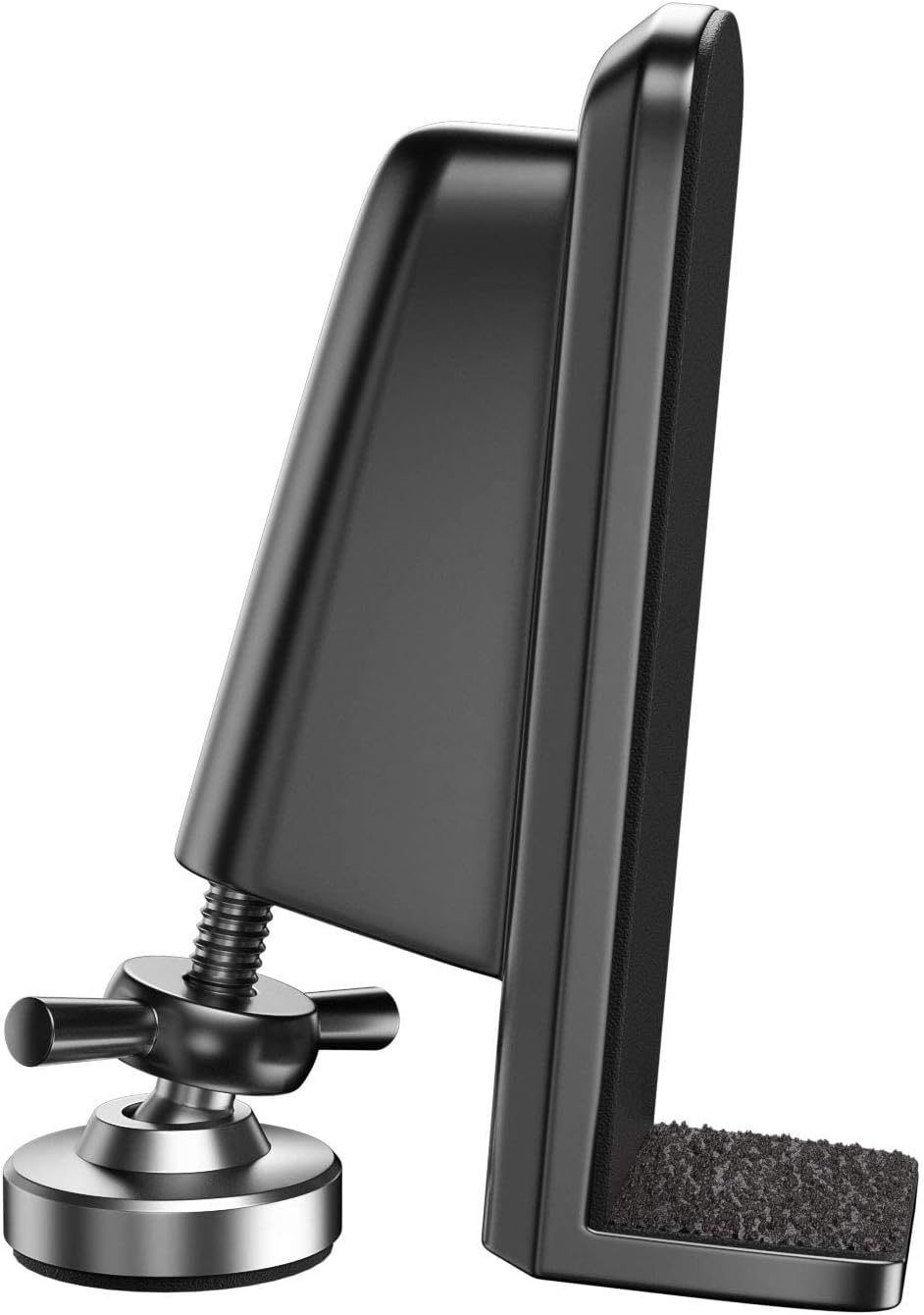
- Internal blocking bars on sliding or light doors
These reinforcements do not make your house impenetrable, but they do make it an uncomfortable, slow, noisy target for an intruder.
3.2. The perimeter: your best friend or your worst enemy
Your home’s perimeter (yard, garage, hallways, entrances) is your first line of defense. It must be a place where the intruder feels exposed, not protected.
- Trim bushes and tall plants that can serve as hiding spots
- Remove external ladders that help reach high windows
- Store tools (shovels, pipes, bars) that could be used to force entry
- Illuminate dark areas where someone could approach unseen
Practical means to strengthen this perimeter:
- Motion-sensor floodlights aimed at doors and windows
- Solar lights for hallways, yards, and garages
- Security film on exposed glass to prevent silent breaking
The combination of light, visibility, and physical reinforcement turns the perimeter into a very effective filter against opportunistic intruders.
3.3. Routines that simulate presence
When the house looks alive, the intruder avoids it.
A home that shows irregular activity is far less attractive than one that looks empty or “on autopilot”.
- Turn lights on and off at variable times
- Move curtains or blinds occasionally so they aren’t fixed all day
- Use ambient sound (radio, recordings) at certain times
Resources that make these routines easier:
- Mechanical or digital timers for indoor lights
- Small programmable LED lamps in living rooms and hallways
- Devices that play soft background noise at intervals
The key is not the technology itself, but the perception of activity from outside observers.
4 🔎 Signs that warn of danger… before the danger enters
In many cases, an intrusion is preceded by abnormal signs.
The problem is not that they don’t exist, but that families are not trained to detect them.
4.1. Auditory signs
- Unusual creaking in doors or windows at odd hours
- Slow footsteps in the yard, garage, or external hallways
- Manipulation of doorknobs or gates without reason
- Soft metallic tapping, like tools hitting locks or frames
4.2. Visual signs
- Shadows or silhouettes near access points
- Flashlight beams moving in dark areas
- Strange vehicles parked outside for too long
- Gates or doors ajar that you know were closed
4.3. Behavioral signs
- Persistent doorbell ringing at unusual hours
- “Promoters” or alleged sellers with confusing stories
- People asking for someone who doesn’t live there, acting evasive
- Loiterers passing multiple times observing the area
The difference between a scare and a crime can be your reaction to these early signs.
Teach your family to recognize them and report immediately when something “doesn’t feel right”.
5 🧭 The Family Plan: your most powerful shield
This is where the tactical core begins. Having cameras, lights, or locks is of little use if the family does not know what to do when something happens.
Train this plan like a fire drill.
Your family must clearly know:
- What to do if they hear or see something suspicious
- Where to go depending on where they are in the house
- Who does what (who calls, who guides children, who closes doors)
- How to act silently when noise could put you at risk
5.1. Two paths: escape or barricade
Option A: Escape
If the intruder is in another area of the house and there’s a clear, safe exit route:
- Grab the kids, not objects
- Leave without unnecessary noise, avoiding doors near the intruder
- Cross the street or reach a visible safe point for neighbors
- Call emergency services from a protected place
Details that make the difference:
- Shoes ready next to the bed or main exit
- A small flashlight to move in the dark without turning on all lights
Option B: Shelter in place
If leaving means crossing paths with the intruder, or if you have small children or elderly people:
- Go to the designated safe room
- Lock the door and, if possible, barricade it with a heavy piece of furniture
- Turn off the lights and remain absolutely silent
- Call emergency services and stay on the line
For the safe room to be useful, prepare:
- A simple way to reinforce the door from inside (bar, wedge, stopper)
- A low-intensity emergency light to see without being seen
- A mini first-aid kit and a bottle of water
6 🛑 If the intruder is already inside: the moment where life depends on seconds
Here, psychology is more important than strength. The priority is preserving life, not defending objects.
6.1. If they haven’t seen you
- Do NOT approach to “investigate”. You need not confirm anything; it is already dangerous.
- Hide in the nearest safe point or leave the house if the door to the street is clear.
- Call emergency services as soon as you have minimal cover.
6.2. If they see you
- Keep your hands visible and away from pockets or objects
- Avoid sudden movements
- Speak calmly and softly
- Don’t play hero or provoke them
- Don’t stare as a challenge
- Cooperate with what they request unless it directly threatens someone’s life
This behavior drastically reduces the probability of physical aggression.
The goal is for the intruder to want to leave as soon as possible without seeing you as a threat.
7 📞 Emergency call: the script you must memorize
In extreme situations, your brain can freeze. That’s why a simple, almost automatic script is necessary.
When calling, focus on five essential points:
- Clear opening phrase: “There is an intruder in my house.”
- Exact address: street, number, any reference points.
- Indicate if you are hiding, fleeing, or locked in with your family.
- Briefly describe the intruder: sex, clothing, height, if you saw weapons.
- Do NOT hang up. Let the operator guide you.
Operators are trained to understand silence, whispers, fear, and accelerated breathing. What matters is staying on the line and giving essential information, even in few words.
8 🎒 Your minimum home safety kit
A safety plan relies on habits, but also on certain physical resources that boost your decisions. You don’t need big expenses: just choose key items wisely.
🔒Access points
- Security bar or sturdy barricade for the main door
- Reinforced latches for windows and sliding doors
- Security film or anti-shatter film on exposed glass
💡Lighting
- Solar motion-sensor lights for yard, garage, and hallways
- Indoor timer lights to simulate presence
- Quiet flashlight with good battery for nighttime emergencies
🐕Auxiliary detection
- Doorbell or alarm with motion sensors
- Simple magnetic sensors for doors and windows (open/close)
- Portable high-sound alarms that activate quickly
🏃Evacuation and shelter
- Small flashlight on the nightstand and in the safe room
- Compact first-aid kit accessible and not buried under objects
- Quick-exit shoes near the bed and main door
- Spare keys inside the safe room out of reach of small children
9 ✝️ Safety, prudence, and responsibility: a Christian vision
Protecting the home is not paranoia.
It is guarding a gift.
The family is the natural sanctuary of life, and God entrusts parents with the mission of guarding it with prudence, intelligence, and charity.
The goal is not to live in fear,
but to live with wisdom and serene vigilance.
A prepared home is not a fearful home, but a place where love organizes itself, anticipates, and strengthens to resist evil when it tries to enter.
🛡️Your family deserves the best
Implement this guide in small but steady steps.
Talk about the topic with your family, check your access points, organize your plan, and prepare your basic kit.
Safety is not a luxury or a whim: it is a concrete way of loving and protecting.
And the best moment to start is today.


Sources
- Home Burglary Prevention Tips and Preparation — California Department of Consumer Affairs
https://lcf.ca.gov/home-burglary-prevention/ - “How to Prevent Home Burglaries” — Florida Sheriffs Association
https://flsheriffs.org/blog/entry/how-to-prevent-a-home-burglary/ - “Residential Burglary Prevention Tips” — Cary Police Department (NC)
https://www.carync.gov/services-publications/police/crime-prevention-and-safety/crime-prevention-safety-tips/residential-burglary-prevention-tips - “Securing Your Home Against Burglary” — Insurance Information Institute
https://www.iii.org/article/securing-your-home-against-burglary - “Burglary Prevention” — Washington County Sheriff’s Office (MN)
https://www.washingtoncountymn.gov/2077/Burglary-Prevention
Support this project without spending more
Your usual purchase can make the difference
Enter Amazon through any of our links
Secure affiliate links.
If you do not want the recommended product, simply search for what you really need
Choose any product and shop as usual.
That’s it! It’s that simple.
With your purchase, Amazon sends a small commission to PrepperFamily.org for qualifying purchases.